Somatic mutations in ageing and autoimmune disease
Inigo Martincorena - Somatic mutations in ageing and autoimmune disease
Abstract
Somatic mutations underpin cancer development and have long been speculated to contribute to ageing and chronic diseases, including autoimmunity. However, the difficulty of detecting somatic mutations in highly polyclonal cell populations has prevented in-depth studies of the role of somatic mutations in classical polyclonal autoimmune diseases. In this talk, I will briefly summarise our work over the past decade describing the extent of somatic mutation in normal tissues before presenting our current work in autoimmunity. Applying advanced single-molecule and single-cell DNA sequencing methods, we have recently described a rich landscape of convergent somatic mutations in immune checkpoint genes in thyroid autoimmunity. We found many B cell clones convergently acquiring loss-of-function mutations in the key immune checkpoint genes TNFRSF14 (HVEM) and CD274 (PD-L1), as well as less frequent mutations in other immune genes. In highly inflamed biopsies, we detected tens to hundreds of independent immune-checkpoint-mutant B cell clones, with widespread TNFRSF14 biallelic loss, and some clones with as many as 4-6 driver mutations. Our results support the hypothesis that somatic mutations in autoimmune B cells may allow them to escape tolerance constraints through a polyclonal cascade of somatic evolution, providing new insights into the molecular basis of autoimmune disease.
Martincorena et al, 2015. https://www.science.org/doi/10.1126/science.aaa6806
Martincorena et al, 2018. https://www.science.org/doi/10.1126/science.aau3879
Abascal et al, 2021. https://www.nature.com/articles/s41586-021-03477-4
Nicola, Lawson et al, 2026. https://www.nature.com/articles/s41586-026-10493-9
Biography
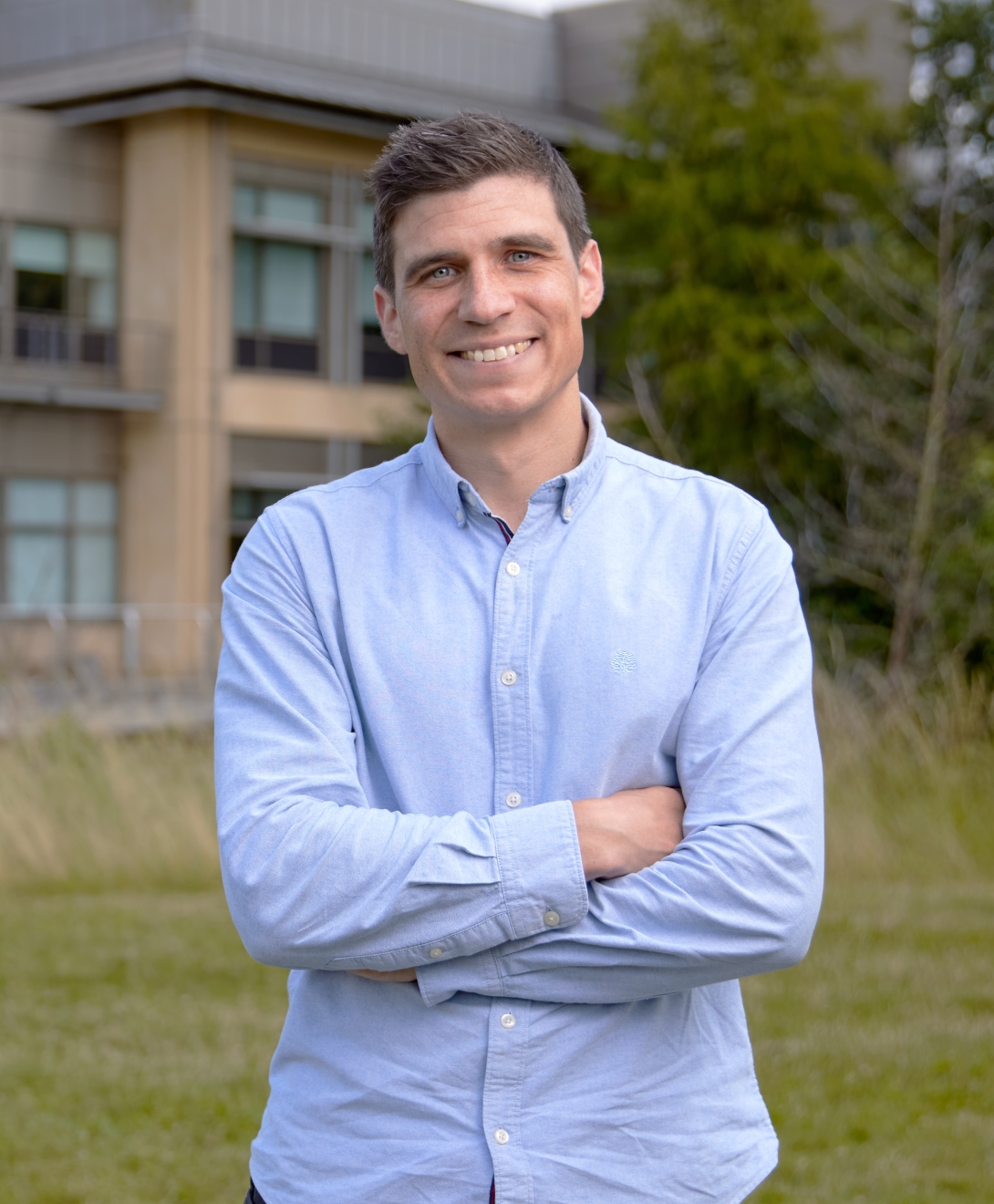
Dr Inigo Martincorena has been a group leader at the Sanger Institute (Cambridge, UK) since 2016. He graduated in biology and biochemistry in Spain in 2007, followed by a PhD at the University of Cambridge in 2008-2012 on evolutionary genomics, and a postdoc with Peter Campbell at the Sanger Institute in 2013-2016. Over the last 12 years, Inigo and his collaborators have shown that mutant clones with cancer-driver mutations colonise human solid tissues throughout life. His group is largely focused on understanding the extent and impact of this phenomenon in ageing tissues and a range of diseases, with a particular recent focus on autoimmune diseases.
https://www.sanger.ac.uk/person/martincorena-inigo/
Mark your calendars and make sure to join!
Please note that photography during seminars is unauthorized. We kindly ask you to respect this policy to maintain the confidentiality and intellectual property rights of the speakers and their work.