INEM Scientific Photo Contest - Edition 2024
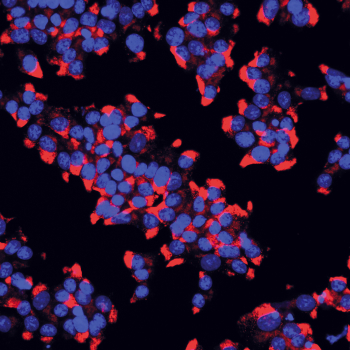
On March 21st, INEM celebrated the inaugural Scientific Photo Contest awards ceremony, an event that showcased the researchers' skills in unveiling the intricate and beautiful layers of their work.
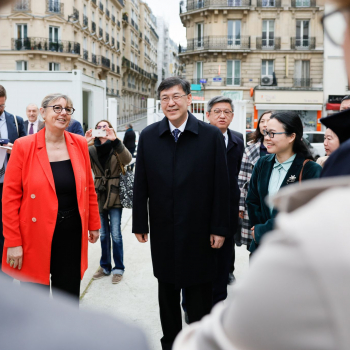
For the 15th edition of the Franco-Chinese Joint Committee for Science and Technology, Institut Necker Enfants Malades welcomed the Minister of Higher Education and Research, Sylvie Retailleau, as well as the Minister of Science and Technology of the People's Republic of China, Mr. Yin Hejun.
This visit provided an opportunity to highlight the excellence of research conducted in France, particularly within our Institute, and to discuss crucial topics such as healthy aging of the population, a research theme explored by two teams within the Institute.
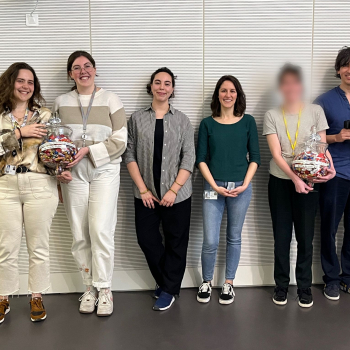
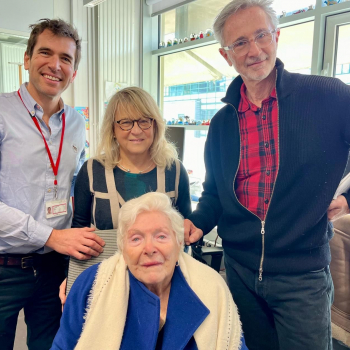
We had the immense pleasure of welcoming Line Renaud and Thierry Lhermitte, patron of the Fondation pour la Recherche Médicale, to discuss science, rare diseases, and the future of medical research.
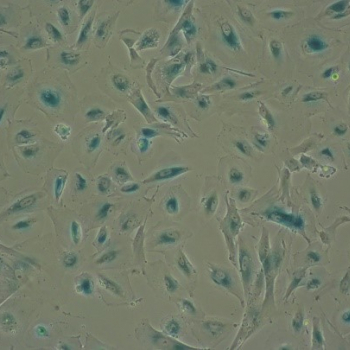
A homoeostatic switch causing glycerol-3-phosphate and phosphoethanolamine accumulation triggers senescence by rewiring lipid metabolism
At INEM, we take immense pride in our commitment to advancing science through diversity and inclusion. Today, we celebrate three remarkable women from our institute who have not only excelled in their scientific endeavors but have also served as inspiring role models for aspiring scientists worldwide.
Type 1 Diabetes (T1D) results from immune attacks on pancreatic beta cells by T lymphocytes. Our research focuses on the gut microbiota's role in preventing this autoimmunity. We've explored cathelicidin's involvement in T1D and extended our investigation to other antimicrobial peptides (AMPs), specifically mBD14. Our findings show mBD14's expression in pancreatic cells is crucial for preventing T1D in NOD mice, as it stimulates regulatory B cells via TLR2, leading to protective immune responses. Further, mBD14's expression is influenced by gut microbiota metabolites and genetic factors.
The kidney removes waste, water and solute from the body to maintain a constant composition of the fluid that bathes our cells (i.e., homeostasis). To do so, the kidney filters around 180 litres of plasma each day through the glomeruli. This filtrate then enters kidney tubules, which reabsorbed molecules that need to be retained to achieve homeostasis, thereby concentrating unwanted wastes in the final urine.
Marine Lamoureux from La Croix L'hebdo followed Pr Guillaume Canaud and his teams at Hôpital Necker Enfants Malades for an incredible six-month journey - the treatment of children with CLOVES Syndrome.
CLOVES Syndrome is a very rare congenital disorder characterized by a combination of vascular, skin, spinal, and bone or joint abnormalities. Pr Canaud discovered a treatment, thus a turning point in the lives of these patients and their families.
A novel prognostic marker for cardiovascular risk in individuals with type 2 diabetes (T2D) has been identified by the IMMEDIAB team – Immunity and Metabolism of Diabetes, led by Nicolas Venteclef at INEM - Institut Necker Enfants Malades.